Prepare
Find a quiet place where you can sit or lie down undisturbed. Never listen while driving or operating machinery.
The idea behind brainwave entrainment, the exact steps for a session, and how to turn seven minutes into a habit you keep.
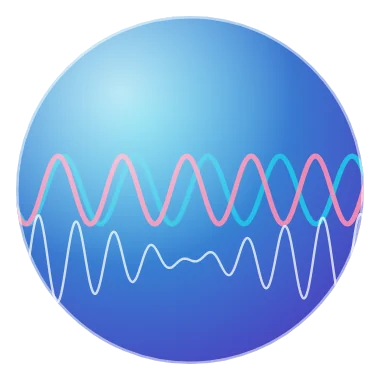
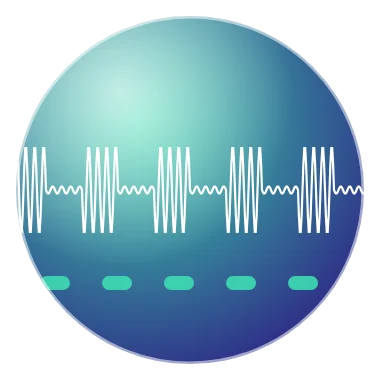
Your brain produces rhythmic electrical activity, often grouped into bands such as delta, theta, alpha, beta and gamma. Brainwave entrainment is the idea that a steady external rhythm, such as a pulsing sound, can encourage that activity to fall into step with it. Quantum Wave is built on this concept. Its sales pages mention patterns associated with focus, creativity and rest.
The science here is still developing. A 2019 meta-analysis found a moderate overall effect of binaural beats on the outcomes studied. A 2023 systematic review of EEG studies, however, described the evidence for actual entrainment as inconclusive. See the research section for both. The fairest way to describe Quantum Wave is as a structured relaxation and focus routine built around sound, not as a proven brain-changing technology.
Based on the directions on the product's sales pages. There is no dosage. A session is simply one listen.
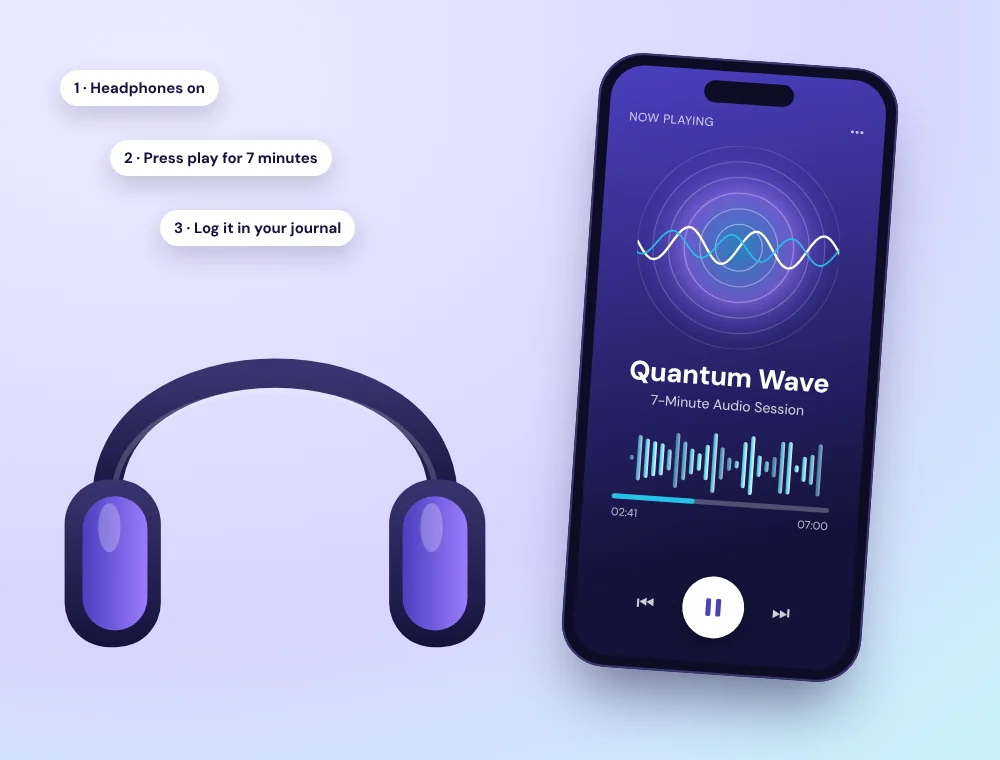
Find a quiet place where you can sit or lie down undisturbed. Never listen while driving or operating machinery.
Use stereo headphones or earbuds. Binaural beats need a separate tone in each ear. Keep the volume moderate.
Play the 7-minute main track once, all the way through. Close your eyes and let your attention rest on the sound.
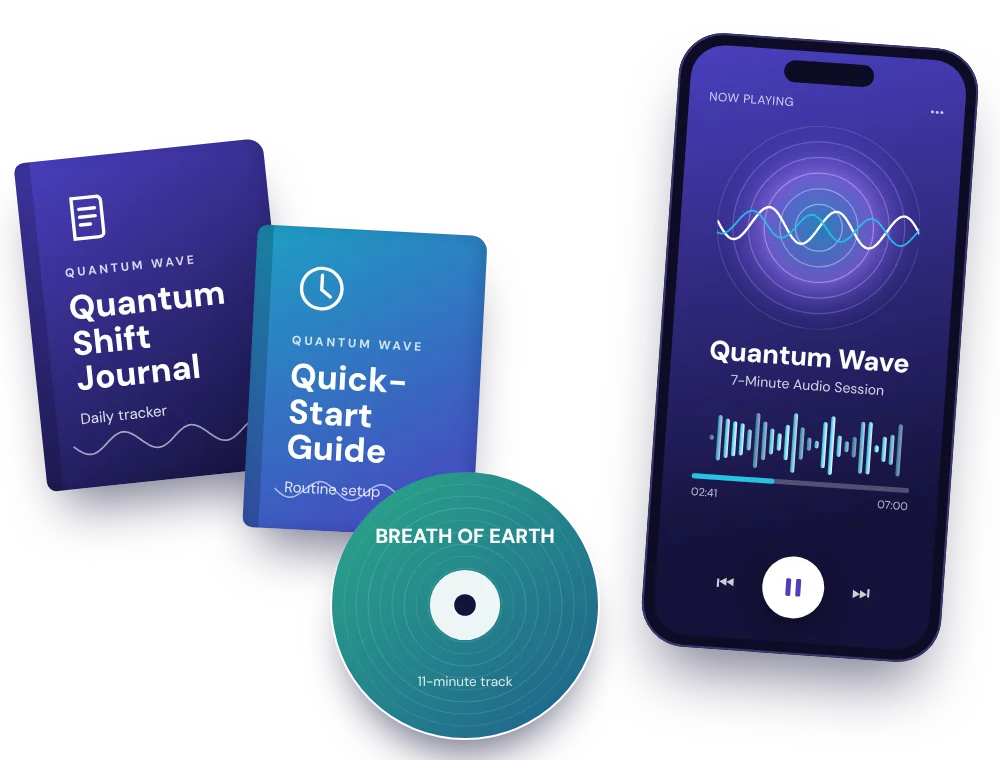
Record the session in the Quantum Shift Journal. Add the 11-minute Breath of Earth track when you want a longer wind-down.
The sales pages suggest morning, a work break or the evening. Choose one and keep it for at least two weeks before changing anything.
Consistency matters more than timing. Read Daily Consistency for habit tips.

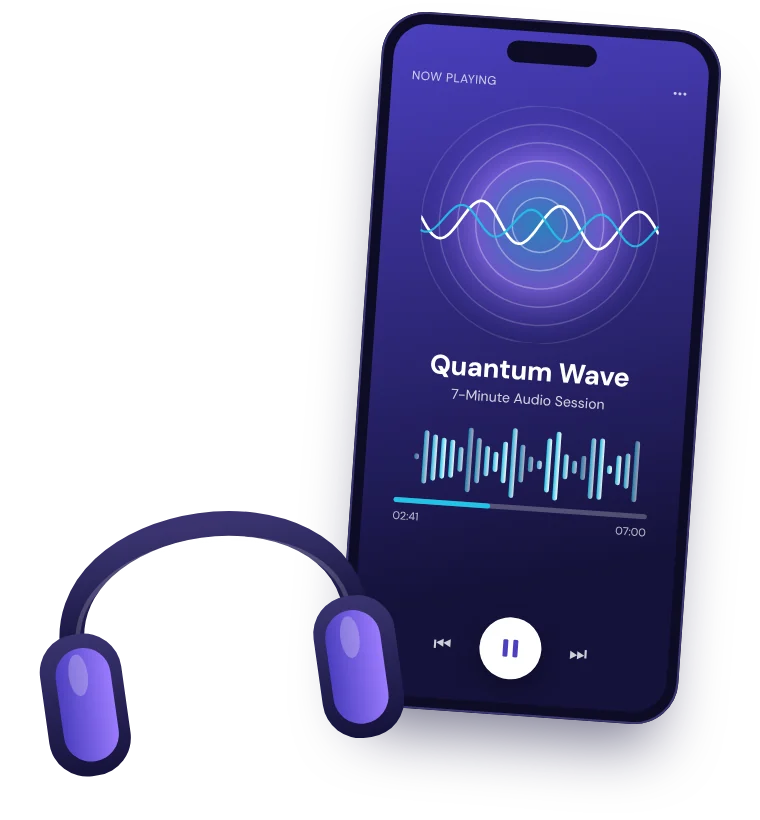
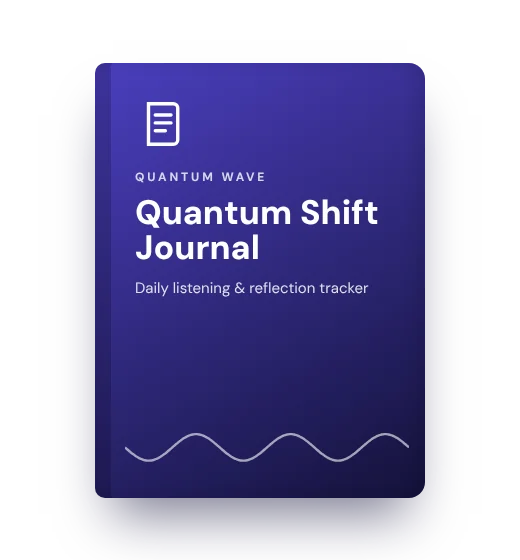
A daily tracker for session times, mood and focus notes, so your impressions don't depend on memory.
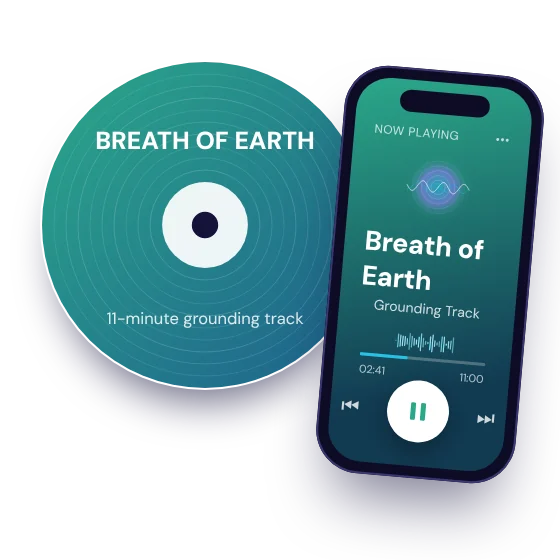
An 11-minute grounding audio for when seven minutes isn't quite enough, often used in the evening.
Setup instructions that take you from download to your first session in minutes.
Quantum Wave contains no physical ingredients. Its "ingredients" are sound layers. Below are government health resources and published research on those sound layers and on the topics discussed on this website.
A 2019 meta-analysis in Psychological Research pooling 22 studies. It reports a medium overall effect of binaural beats on the outcomes measured, with results depending on beat frequency and exposure time. It did not study Quantum Wave.
Peer-Reviewed ResearchComponent: Binaural beatsView Official Research ↗ NIH – National Library of Medicine (PubMed)A 2023 systematic review in PLOS ONE covering 14 EEG studies. The authors describe the evidence for brainwave entrainment as inconclusive and call for more standardized research.
Peer-Reviewed ResearchComponent: Brainwave entrainmentView Official Research ↗ NIH – National Library of Medicine (PubMed)A 2023 review in Psychological Research examining binaural-beat studies on memory and attention. It notes that earlier findings in these areas have been mixed.
Peer-Reviewed ResearchComponent: Binaural beats & attentionView Official Research ↗ NIH – National Center for Complementary and Integrative HealthAn NCCIH fact sheet on research into music and music-based activities for wellbeing, including anxiety and stress. It notes that much of the evidence is still preliminary.
NIH ResearchComponent: Ambient soundscapesView Official Research ↗ NIH – National Center for Complementary and Integrative HealthReviews the evidence for breathing exercises, guided imagery and similar practices, with safety notes. This is useful background for a short daily relaxation routine.
US Government Health ResourceComponent: Relaxation practiceView Official Research ↗ NIH – National Center for Complementary and Integrative HealthExplains what meditation and mindfulness involve and summarizes research on their safety and possible benefits. It notes that much of the evidence is preliminary.
US Government Health ResourceComponent: Daily listening practiceView Official Research ↗ NIH – National Institute on Deafness and Other Communication DisordersExplains how loud sound can damage hearing and lists listening to music at high volume through earbuds or headphones as a risk. Keep volume comfortable during every session.
US Government Health ResourceComponent: Headphone listeningView Official Research ↗ NIH – National Institute of Mental HealthExplains the difference between stress and anxiety, offers everyday coping strategies such as journaling and regular sleep, and says when to seek professional help.
US Government Health ResourceComponent: Stress & calmView Official Research ↗ MedlinePlus – US National Library of MedicineA MedlinePlus overview of short- and long-term stress, healthy ways to manage it, and when to talk with a healthcare provider.
US Government Health ResourceComponent: Stress & calmView Official Research ↗ NIH – National Heart, Lung, and Blood InstituteExplains how too little or poor-quality sleep affects mental and physical health and daily functioning. This is relevant background for an evening routine.
US Government Health ResourceComponent: Evening wind-downView Official Research ↗These references are provided for educational purposes only. They do not represent an endorsement or approval of this product by any government agency. Research on individual ingredients does not necessarily establish the effectiveness of the finished product. Here, the "ingredients" are the sound techniques the program uses. PubMed is a research database run by the NIH's National Library of Medicine, and the papers listed there are independent studies, not government publications.
One 7-minute session a day, a journal to track how you feel, and a one-time $47 price with instant digital access.